.jpg)
"We only schedule by date and ignore usage or actual conditions."
If this statement reflects your current maintenance strategy, your facility is likely leaking money. Many organisations still rely on calendar-based scheduling because it's simple and familiar. However, in today's fast-paced, data-driven world, this approach can become a silent saboteur, causing you to waste valuable labour, parts, and ultimately risking unexpected equipment failures that disrupt productivity.
Scheduling preventative maintenance (PM) purely based on the calendar is a historical habit that many manufacturing and operations teams struggle to break. You end up servicing machines that may have sat idle for weeks, while simultaneously neglecting equipment that runs double shifts and desperately needs attention. This one-size-fits-all methodology does not align with the realities of modern production lines and dynamic workloads.
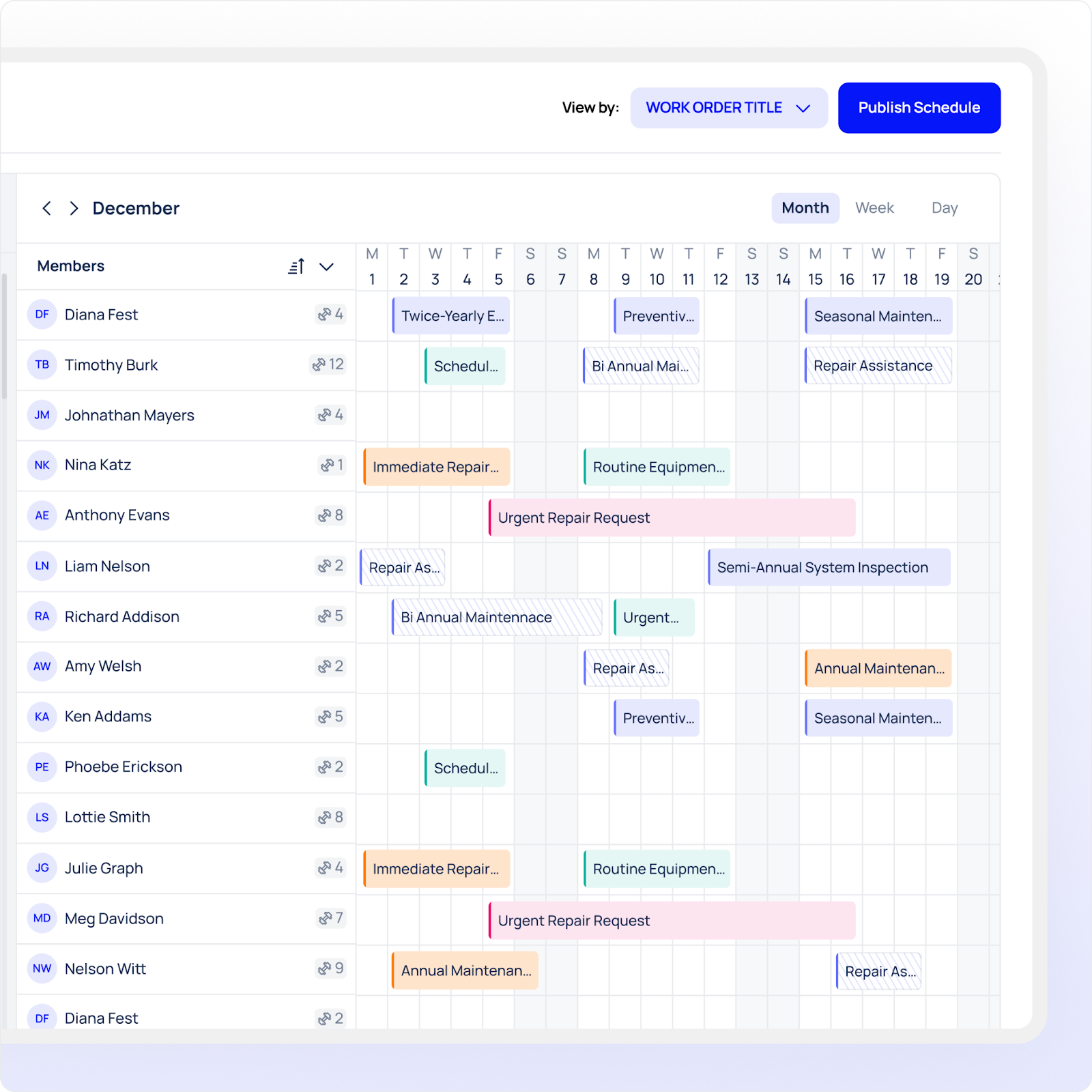
Relying on dates rather than data leads to over-maintenance, wasted spare parts, and unexpected breakdowns. The solution is moving toward a usage-based PM approach. This strategy ensures you only perform maintenance when a machine actually requires it, based on its real-world operation, making every service count and every pound spent deliver tangible value.
In this comprehensive guide, we will explore the flaws of calendar-based scheduling, define the mechanics of usage-triggered maintenance, and provide a clear roadmap to help your team make a successful transition.
The problem with calendar-based maintenance
Calendar-based maintenance is simple to set up. You decide a conveyor belt needs a visual inspection every 30 days, put it in the schedule, and forget about it. However, this simplicity comes at a steep operational cost.
There are two key risks introduced by ignoring actual usage:
1. Severe over-maintenance:
If production slows down and a machine only runs at half capacity for a month, performing a full service at the 30-day mark is a waste of expensive labour and parts. You are fixing something that simply has not experienced enough wear and tear to justify the intervention. Over time, these unnecessary tasks add up, straining your maintenance budget and demotivating staff who see their efforts produce little real impact.
2. Catastrophic under-maintenance:
Now imagine your facility lands a massive contract and that same conveyor belt runs 24 hours a day for three weeks. If you wait for the scheduled 30-day PM, the belt might snap on day 25. Calendar schedules are entirely blind to these fluctuations in production intensity, exposing you to the risk of critical failures at the very worst moments.
Furthermore, calendar-based PM doesn't account for the real-life diversity of your assets’ operating environments. The same model of pump could be working non-stop in one department and barely ticking over in another. With a calendar schedule, both receive the same treatment regardless of actual need.
What exactly is a usage-based PM?
A usage-based PM strategy ties your maintenance interventions directly to the actual work an asset performs. Instead of waiting for a specific date to roll around, you trigger maintenance tasks based on measurable data points that accurately reflect wear, tear, and risk.
These data points usually fall into a few key categories:
Operating hours: The total time a machine has been actively running (e.g., servicing a generator every 500 run hours).
Production cycles: The number of actions a machine completes (e.g., replacing a cutting blade after 10,000 stamps).
Distance or mileage: Commonly used for fleet vehicles and forklifts (e.g., changing the oil every 5,000 miles or kilometres).
Load or output: Some assets can be tracked based on total output, such as tonnes processed or bottles filled.
By shifting to a usage-based PM model, you align your maintenance budget directly with your production output. You only spend money on servicing equipment when the machine has definitely earned it through hard work.
Key benefits of usage-based PM include:
- Lower maintenance costs overall: You eliminate unnecessary services, focusing only on what is truly needed.
- Extended asset life: Maintenance is performed precisely when required, preventing premature wear and unplanned breakdowns.
- More accurate budgeting and planning: As PM becomes aligned with production, it is easier to justify budgets and allocate resources efficiently.
- Improved technician morale: Staff see the direct impact of their work and spend less time on pointless, repetitive tasks.
Step-by-step guide to transitioning
Moving away from the comfort of calendar scheduling requires careful planning and a willingness to test and adapt. You cannot overhaul your entire facility overnight. Instead, you need a methodical approach that builds confidence and proves the value of the new system to both management and technicians.
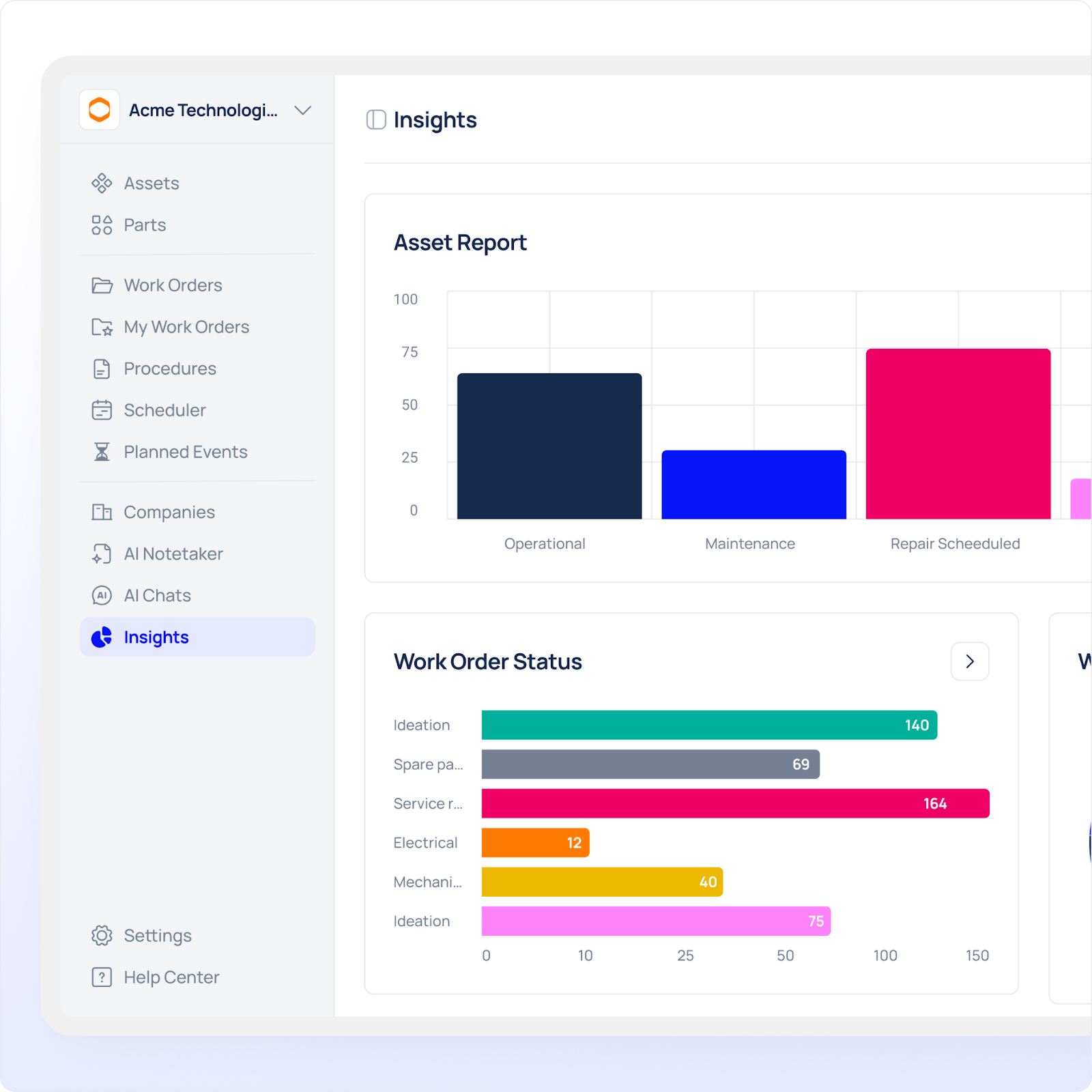
Here is how you can effectively transition your operations:
Step 1: Audit your critical assets
Start with the machines that matter most. Begin by identifying the assets that have the highest impact on your production line, often those with unpredictable workloads or high failure consequences. Look for equipment that has highly variable usage patterns. A machine that runs exactly eight hours a day, five days a week, might be fine on a calendar schedule. However, a backup compressor that only runs during peak demand is the perfect candidate for a usage-based PM approach.
Create a shortlist of 10 to 20 critical assets to serve as your pilot programme. By keeping the transition focused, you can more easily monitor outcomes, demonstrate quick wins, and expand as confidence grows.
Step 2: Identify measurable triggers
Next, determine the most accurate way to measure wear and tear for each selected asset. Consult your original equipment manufacturer (OEM) manuals. They often provide baseline recommendations for usage intervals (for example, every 200 operating hours or every 10,000 cycles).
You must ensure that the trigger you select is actually measurable. If you decide to trigger maintenance every 1,000 cycles, you need a reliable way to count those cycles. If the machine lacks a built-in counter, you may need to look at operating hours instead.
Step 3: Implement data collection tools
A usage-based PM strategy is entirely dependent on accurate, timely data. Manually checking meters and jotting numbers on paper is slow and prone to error. For long-term sustainability, you need to digitise this process.
A modern maintenance platform can help you organise asset records, log maintenance history, and keep PM schedules consistent. This makes it easier to track what is happening on the shop floor and review whether maintenance intervals still make sense.
Step 4: Define your new maintenance intervals
With your data collection method in place, it's time to set your initial PM triggers. Start conservatively. If the OEM suggests replacing a filter every 500 hours, you might set your initial trigger at 450 hours to provide a safety buffer.
Remember: as you gather more historical data on how your assets perform, you can gradually fine-tune these intervals. Some assets may prove more resilient, allowing you to stretch the interval and save even more money, whilst others might require more frequent attention.
It is important to create feedback loops and review breakdown trends regularly so you can adjust your triggers as you go. Engage your technicians in these discussions so they trust and buy into the process.
Step 5: Train your team and monitor progress
Changing your approach to maintenance scheduling is as much about people as technology. Technicians who are used to performing the same tasks every Monday could be uncertain when their schedule changes based on machine data.
Explain the reasoning behind the shift. Show them how a usage-based PM approach eliminates unnecessary busywork and helps prevent sudden breakdowns, freeing up time for higher-value tasks and boosting job satisfaction. Monitor your key performance indicators, such as breakdown frequency, PM completion rates, unplanned downtime, and even staff engagement, to ensure the new strategy is delivering the expected results.
Celebrate early wins, share success stories, and use metrics to demonstrate progress. This will build confidence across both maintenance teams and management, helping to embed a lasting change.
Summary of transition steps
To keep your transition on track, reference this summary table of the key phases and their intended outcomes.

.webp)